
What water temperature changes reveal about plumbing age

For the owner of a historic NYC brownstone, “Water Temperature” is often treated as a matter of the “Boiler” or the “Water Heater.” However, from a forensic engineering perspective, the way your water feels—and how quickly it changes—is a “Coded Diagnostic” that reveals the “Mechanical Age” and integrity of your pipe skeleton. Fluctuating temperatures (the […]
How to plan a plumbing upgrade without destroying original architecture
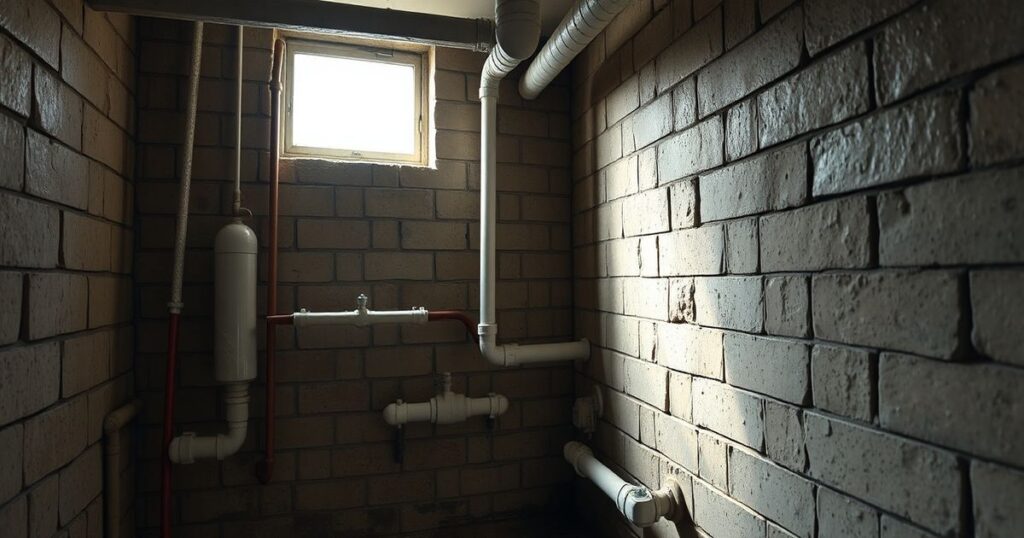
For the owner of a landmarked brownstone or a historic estate in districts like Montclair or Brooklyn Heights, the prospect of a “Plumbing Upgrade” is often met with dread. The traditional approach—tearing down original 19th-century plaster, removing hand-painted wainscoting, and cutting through 14-inch thick brick walls—is a form of “Architectural Vandalism.” However, the modern field […]
Why sediment movement is common in historic homes
For a row house owner, “Sediment” is the silent, pervasive “Pollutant” of the water system. You may see “Black Specs” in the sink, “Grey Sludge” in the tub, or “Brick-Dust” in the aerator. In a 100-year-old home, sediment is not a random defect; it is a “Hydraulic Certainty” caused by the lifecycle of “Iron, Lead, […]
How to tell if water issues are fixture-related, riser-related, or main-related
For the historic row house owner, a “Water Crisis”—whether it’s low pressure, brown water, or a “Sputtering Tap”—is often met with a “Total System Anxiety.” You fear the worst: a failed street main or a buried pipe under the slab. However, from a forensic engineering perspective, every “Water Issue” has a specific “Hydraulic Signature” that […]
Jersey City vs. Brooklyn brownstones: key maintenance differences
For many, the brownstones of Jersey City and Brooklyn are architectural twins, born from the same late 19th-century boom. However, for the homeowner, the “Maintenance Profile” of a Paulus Hook row house is remarkably different from a Fort Greene townhouse. While the brick and mortar look identical, the “Hydraulic DNA”—the city grid, the soil composition, […]
Fort Lee multi-level homes and their pressure balancing challenges
Fort Lee, New Jersey, with its unique topography atop the Palisades, is characterized by “Multi-Level Homes”—historic prewar structures that often serve multi-generational families across four or five vertical floors. While these homes offer grand views and expansive living, they present a “Hydraulic Nightmare” from an engineering perspective. Balancing “Pressure and Flow” across 50 vertical feet […]
Hoboken homeowners’ biggest surprises during bathroom renovations
Renovating a bathroom in a Hoboken row house is an exercise in “Optimistic Demolition.” You start with a vision of a modern, Carrara-clad spa, but the moment you lift the first floor-tile, you are met with a century of “Mechanical Surprises.” From “Lead-Pans” that have turned to dust to “Floor-Joists” that have been “hacked” by […]
The plumbing realities of Jersey City historic districts
Jersey City’s historic districts—from the cobblestones of Harsimus Cove to the grand mansions of Hamilton Park—represent some of the most beautiful urban environments in the North East. However, for the homeowner, these districts also represent a “Mechanical Minefield” of 19th-century utilities. Between the “Sinking Soils” of the Hudson waterfront and the aging “Brick-and-Lead” grid of […]
Why Fort Lee prewar homes show similar water patterns to NYC brownstones
Fort Lee, New Jersey, perched atop the Palisades, shares more than just a view with the brownstones of Manhattan and Brooklyn. Built during the same “Infrastructure Gold Rush” of the late 19th and early 20th centuries, Fort Lee’s prewar homes rely on the same “Mechanical DNA” as their NYC cousins. From the “Galvanized Iron Risers” […]
Hoboken row house plumbing: differences from Brooklyn brownstones
Hoboken, known as the “Mile Square City,” features a stunning array of late 19th-century row houses that rival the best of Brooklyn. However, for a mechanical engineer or a master plumber, a Hoboken row house is a “Different Species” from its Brooklyn cousin. The primary delta is not aesthetic, but “Geological” and “Topographical.” Hoboken is […]