
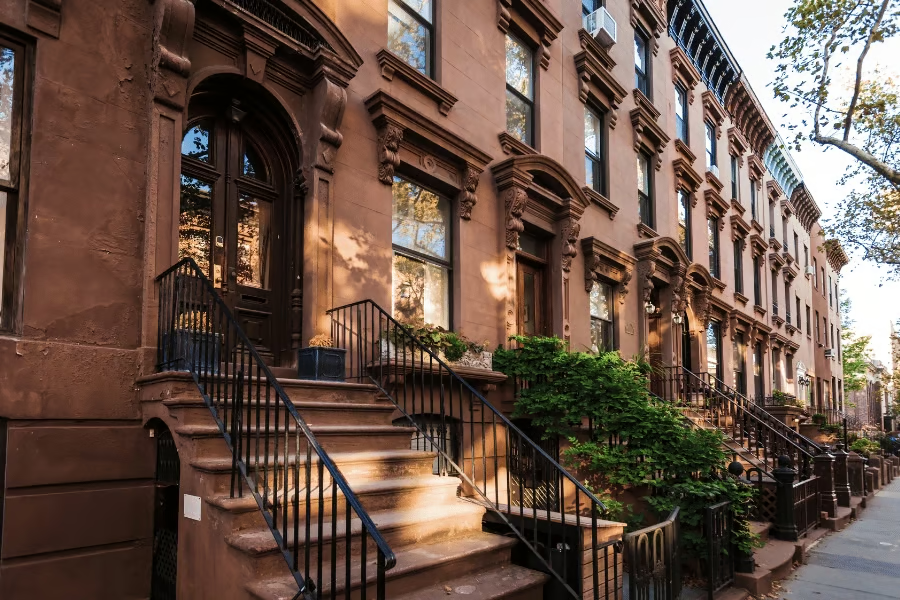
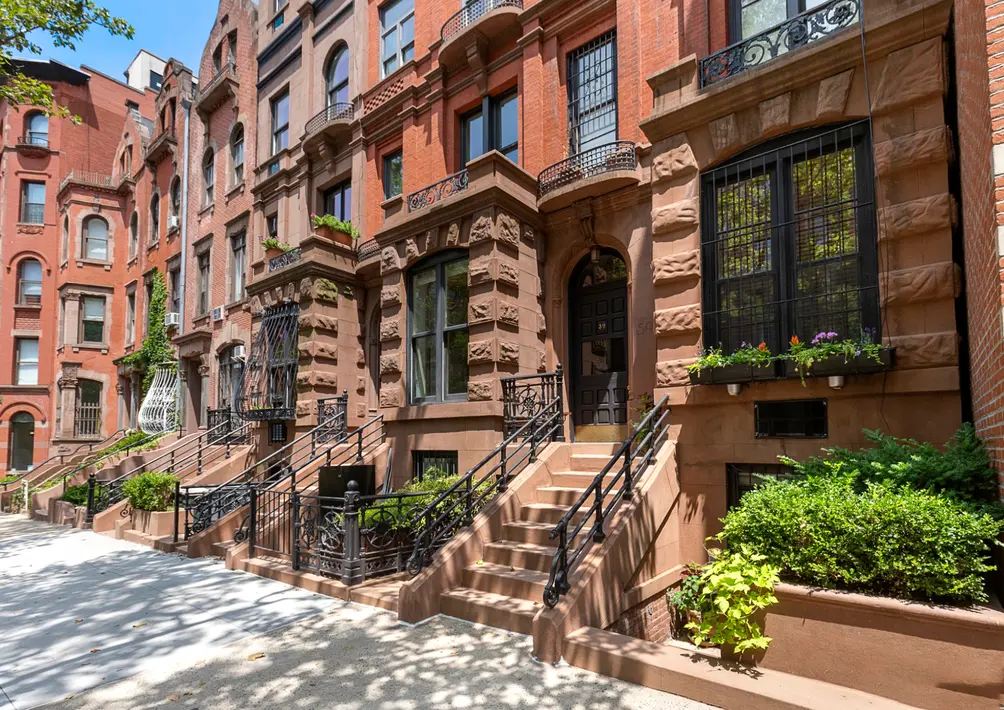
Park Slope is one of NYC’s most recognizable brownstone neighborhoods, defined by long, tree-lined blocks and large 19th-century homes that range from fully restored showpieces to properties still carrying decades of layered repairs. Because renovation levels vary sharply, two houses on the same block can deliver completely different living experiences.
Many Park Slope brownstones have undergone partial renovations—updated kitchens and bathrooms, newer mechanicals—while still retaining older risers, branch lines, and legacy plumbing hidden behind plaster walls. Owners often discover original iron piping during deeper remodels, along with century-old joists, brick pockets, and patched electrical runs. The charm of Park Slope is inseparable from its age, and understanding that mix of restored and unrestored elements is central to buying or maintaining a home here.
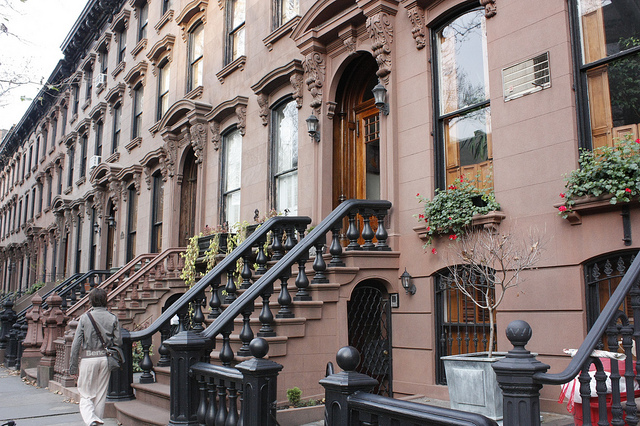
Brooklyn Heights is a landmark district where brownstone preservation is taken seriously. Exterior alterations—stoop work, façade repair, window changes—require approval from the Landmarks Preservation Commission. For homeowners, this means renovations must respect original architecture, materials, and street-facing details.
Internally, however, many Brooklyn Heights homes contain a wide spectrum of conditions. Some feature museum-grade restorations with rebuilt systems; others hide original galvanized plumbing, aging cast iron drains, or early-era copper upgrades. Because exterior constraints are strict, most modernization happens inside: riser replacement, basement waterproofing, HVAC upgrades, and internal structural reinforcement. Brownstones here blend architectural heritage with concealed modern systems, making thoughtful planning essential.

Carroll Gardens stands out for its unusually deep front gardens and distinctive Italianate brownstones. Many properties here retain long plumbing runs—both horizontal and vertical—that have been added to over generations. This creates frequent “patchwork systems,” where prewar piping meets newer copper or PEX.
Because many Carroll Gardens homes were renovated in phases—kitchen remodels in the 1990s, bathrooms in the 2000s, extensions in the 2010s—plumbing age can shift dramatically within the same house. Homeowners often encounter low pressure on upper floors, slow hot-water delivery, or sediment shedding from older risers. The neighborhood’s charm comes with quirks, and water behavior is one of the most common.
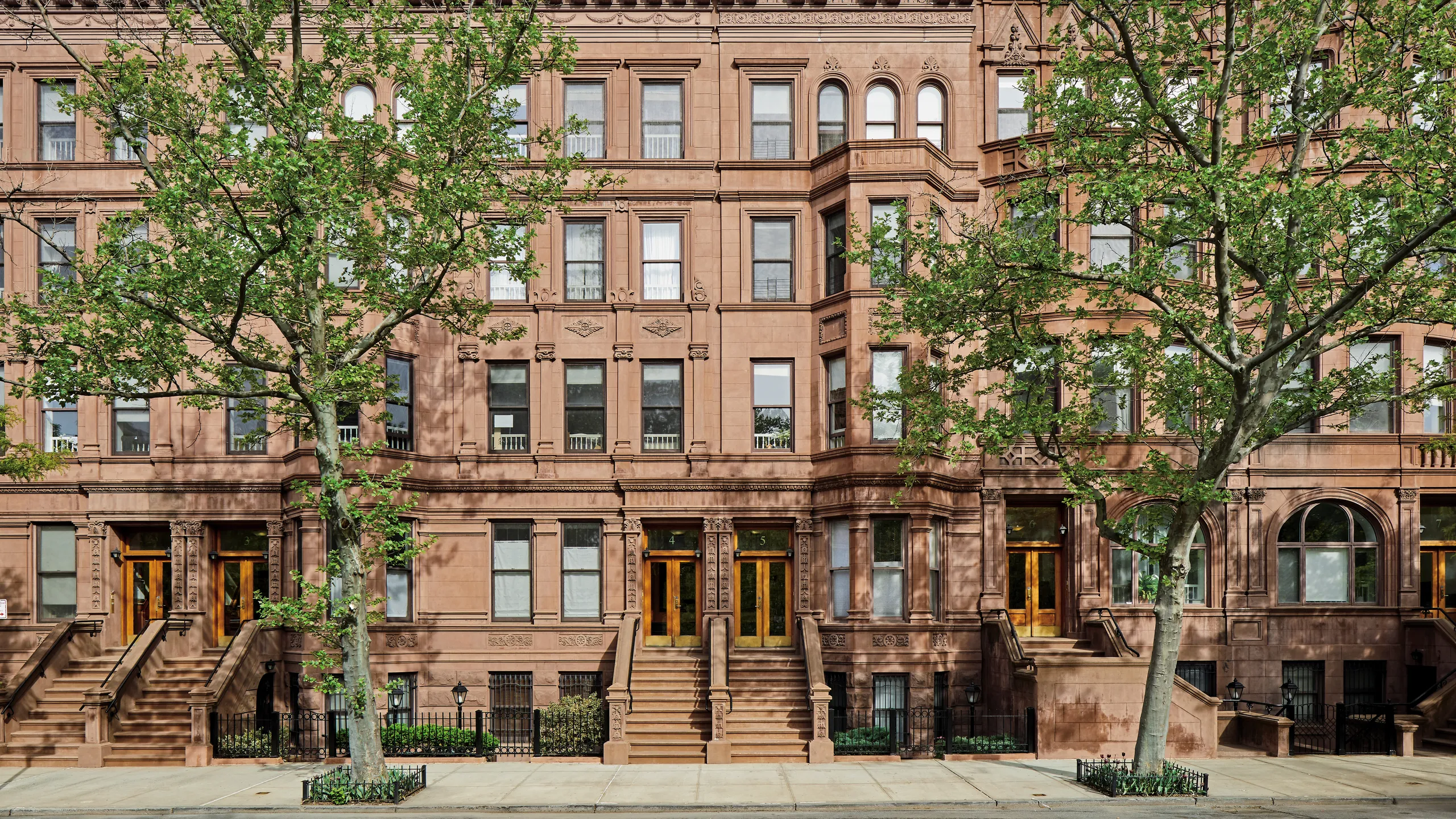
Fort Greene’s housing stock ranges from pristine Italianate brownstones to properties that still carry their original mechanical systems. Renovation quality varies widely—some homes have been fully modernized, while others retain untouched prewar plumbing, electrical, and structural features.
This mix creates distinctly different maintenance profiles. Owners may discover iron stack pipes from the 1920s, horizontal branch lines running through original plaster ceilings, or mid-century copper upgrades that need rework. Fort Greene’s strength is its architectural diversity; its challenge is understanding exactly what era of work you’re inheriting when you buy a home here.
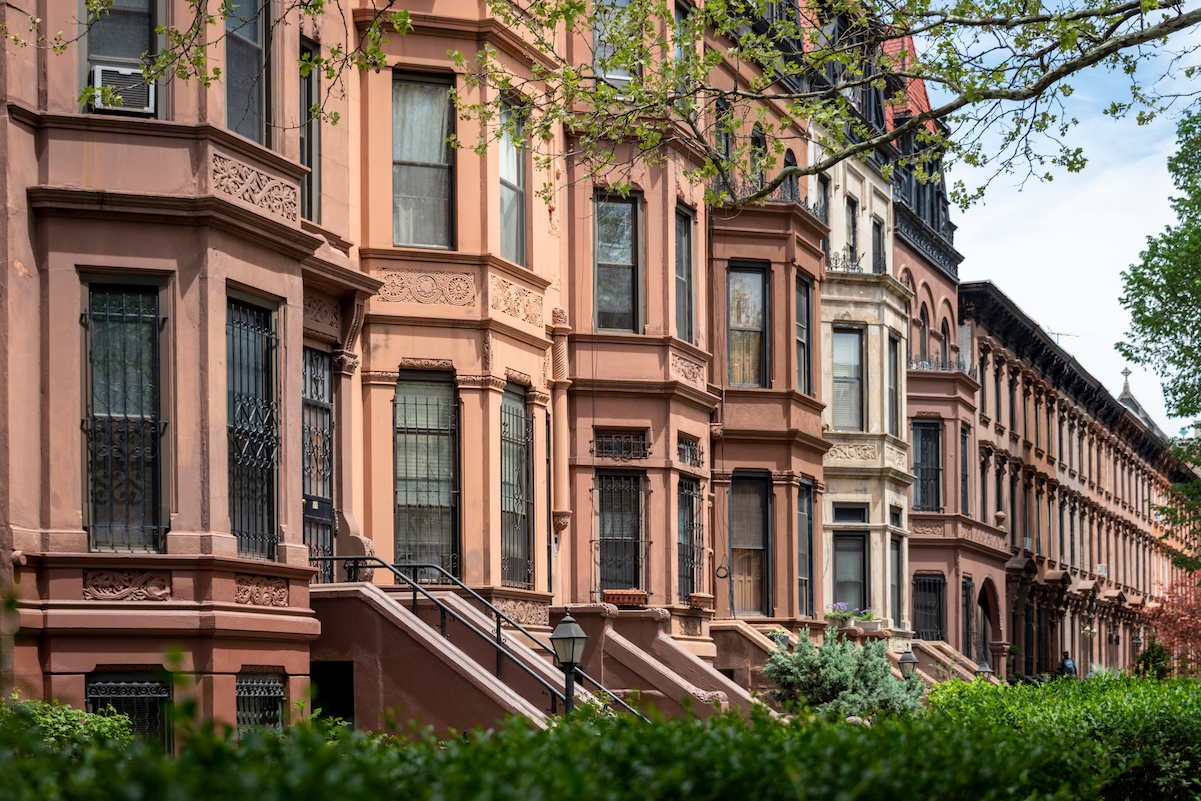
Clinton Hill has one of the most varied streetscapes in Brooklyn—Gilded Age mansions, Italianate brownstones, Romanesque row houses, and smaller wood-frame homes. This diversity means plumbing systems range from fully rebuilt to completely original.
In many Clinton Hill brownstones, homeowners encounter:
mixed-material piping (galvanized → copper → PEX),
heavy cast iron waste stacks,
old valves buried behind plaster,
unique floorplans requiring long water runs.
The area’s grander homes often have more complex internal systems, larger pipe diameters, and older basement infrastructure that has survived multiple eras of repair. Renovating here requires a careful architectural and plumbing plan.
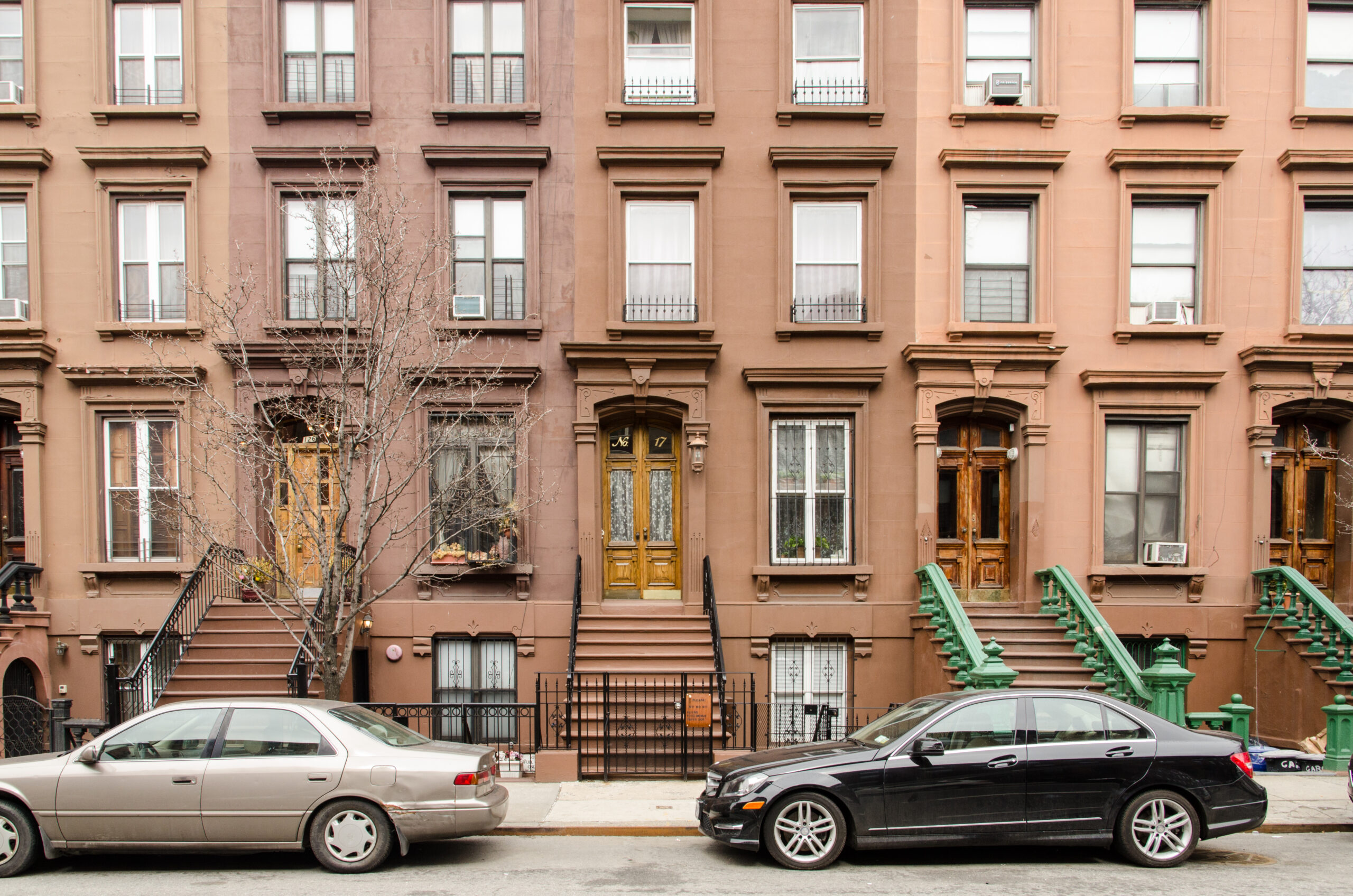
Crown Heights is experiencing one of NYC’s fastest renovation cycles. Many brownstones are being gutted, extended, or converted to multi-family layouts. But beneath those clean new finishes, homeowners and developers frequently uncover legacy plumbing: original galvanized lines, old cast iron drains, deteriorated traps, and mid-century patchwork.
Even newly renovated listings may still rely on partially upgraded internal lines. Buyers should ask detailed questions about riser replacement, stack condition, venting, and basement plumbing. Crown Heights offers beautiful homes—but many remain in transition between old and new systems.