
Uncategorized
In the rapidly evolving landscape of modern urban centers, there is a distinct shift occurring. For decades, the narrative of city life was often defined

In the rapidly evolving landscape of modern urban centers, there is a distinct shift occurring. For decades, the narrative of city life was often defined

Owning a brownstone is more than just owning a piece of real estate; it is an act of stewardship. These iconic structures, with their stoops,

There is a distinct, rhythmic beauty to walking down a street lined with brownstones. As the morning light catches the variegated sandstone—a material once prized

Urban Charm Meets Modern Comfort: How Brownstone Neighborhoods Are Evolving The brownstone is more than just a house; it is an icon of the American

There is a specific cadence to city life that is dictated by the architecture surrounding it. In many of America’s most storied urban centers, that
For a homeowner in Fort Lee, New Jersey, the persistence of “Brown Water” or “Rust Discoloration” is a deeply frustrating mystery. You may have replaced
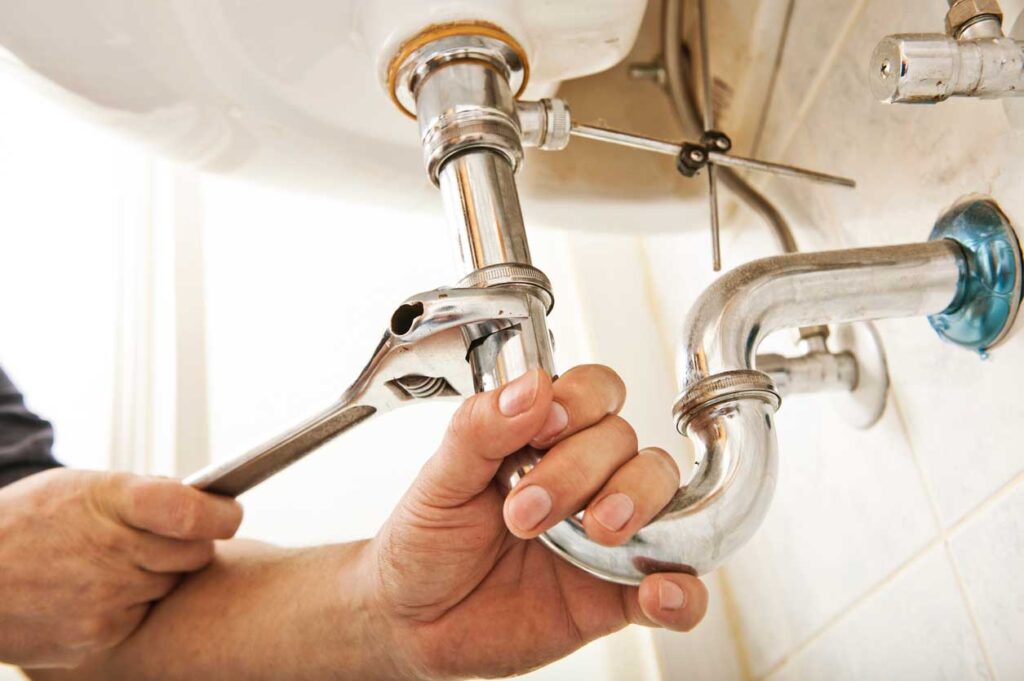
Montclair, New Jersey, is a tapestry of “Colonial Revival,” “Tudor,” and “Victorian” estates that represent the pinnacle of suburban Americana. However, for a mechanical forensic
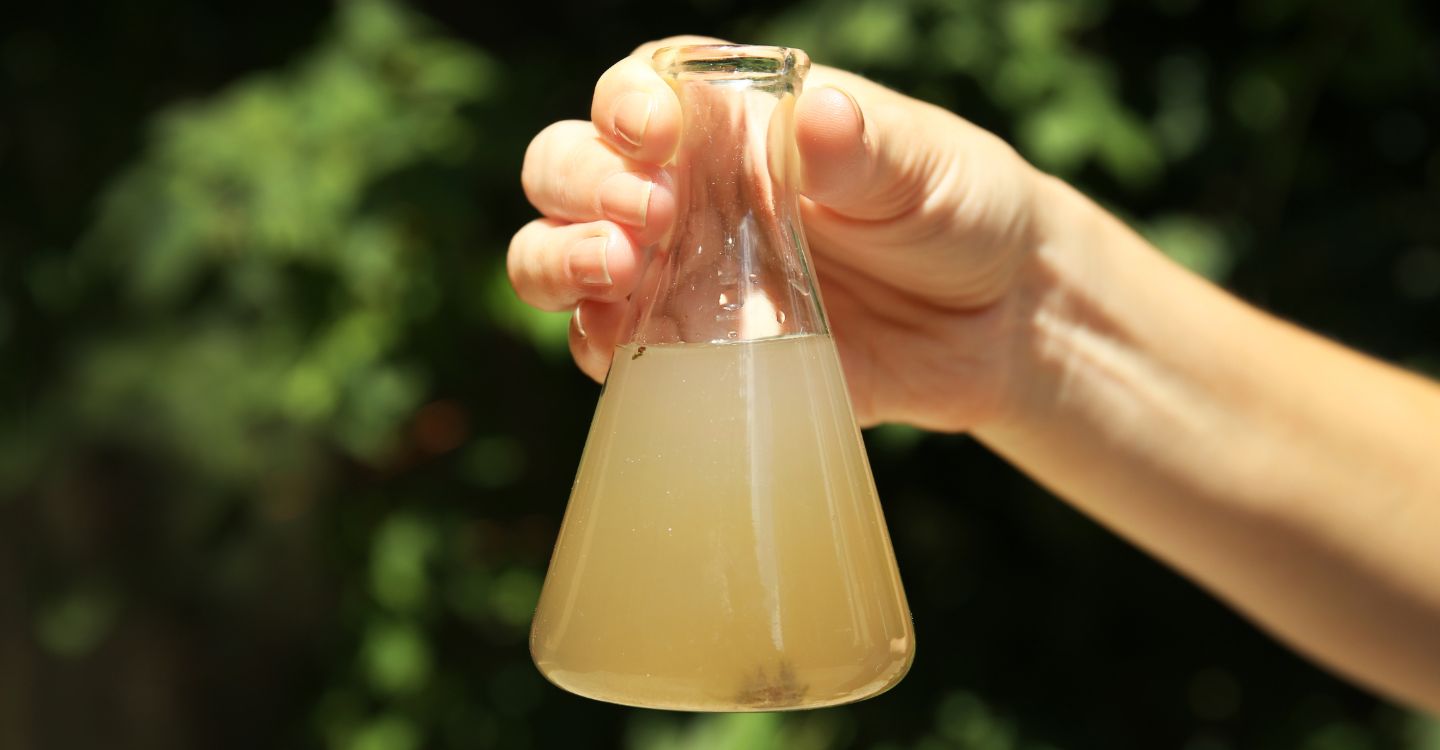
West Orange, New Jersey, is home to a significant stock of “Turn-of-the-Century” row houses and multi-story frame homes that share a “Mechanical Lineage” with the

Hoboken’s brick row houses, with their ornate cornices and intricate masonry, are the crown jewels of New Jersey residential architecture. However, beneath the “Gilded Age”

Montclair, New Jersey, is a town of grand elevations—literally. From the “First Watchung Mountain” to the lower Valley, the “Hydrostatic Head” of Montclair’s water grid

Renovating a historic “Valley Frame” or “Mountain Estate” in West Orange, New Jersey, is a journey into the “Mechanical Unconscious” of the building. Because West

For the owner of a 19th-century brownstone or a prewar row house, the “Invisible Network” of pipes behind the lath-and-plaster is a source of both

For many prewar row house owners, “Brown Water” isn’t a constant presence, but a “Random Interloper.” You might have clear water for three weeks, and
For the owner of a historic NYC brownstone, “Water Temperature” is often treated as a matter of the “Boiler” or the “Water Heater.” However, from
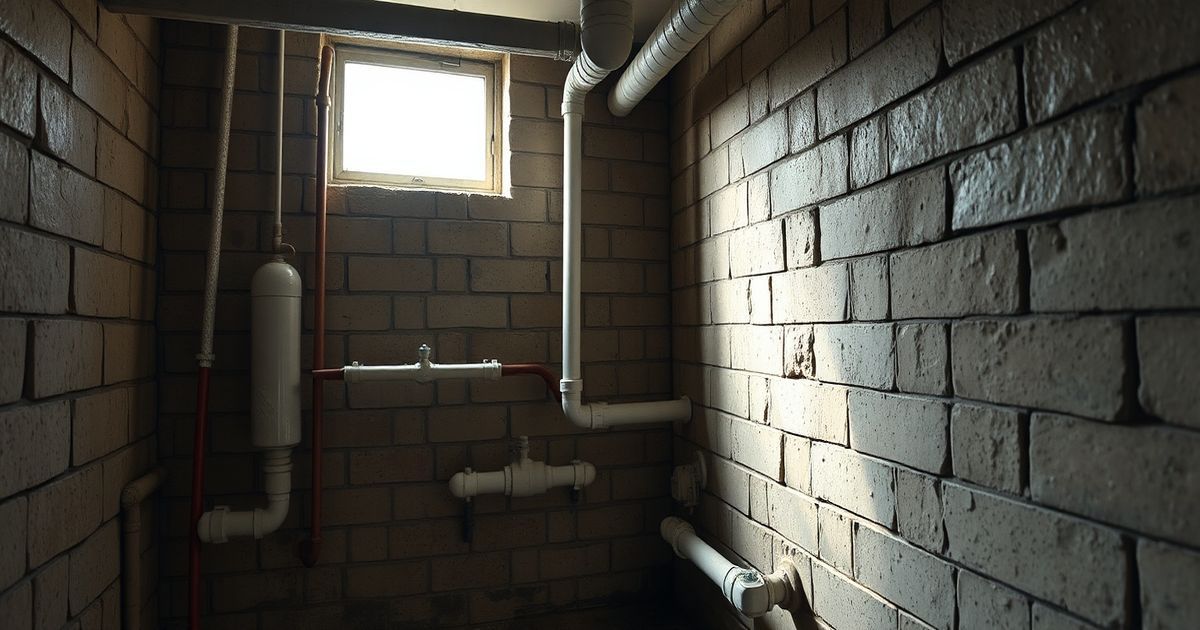
For the owner of a landmarked brownstone or a historic estate in districts like Montclair or Brooklyn Heights, the prospect of a “Plumbing Upgrade” is
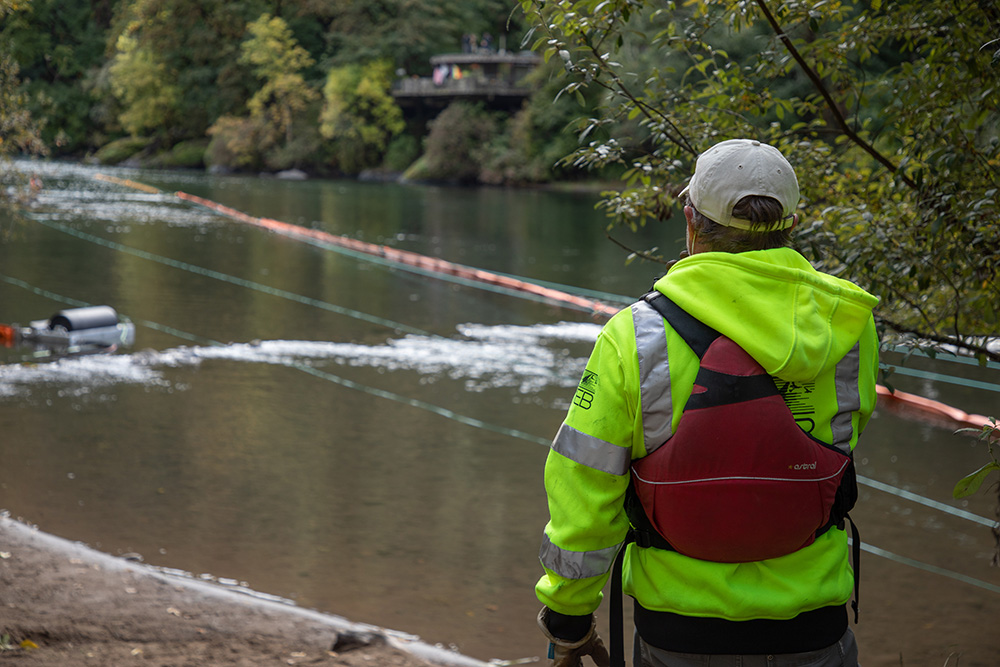
For a row house owner, “Sediment” is the silent, pervasive “Pollutant” of the water system. You may see “Black Specs” in the sink, “Grey Sludge”

For the historic row house owner, a “Water Crisis”—whether it’s low pressure, brown water, or a “Sputtering Tap”—is often met with a “Total System Anxiety.”

For many, the brownstones of Jersey City and Brooklyn are architectural twins, born from the same late 19th-century boom. However, for the homeowner, the “Maintenance

Fort Lee, New Jersey, with its unique topography atop the Palisades, is characterized by “Multi-Level Homes”—historic prewar structures that often serve multi-generational families across four

Renovating a bathroom in a Hoboken row house is an exercise in “Optimistic Demolition.” You start with a vision of a modern, Carrara-clad spa, but

Jersey City’s historic districts—from the cobblestones of Harsimus Cove to the grand mansions of Hamilton Park—represent some of the most beautiful urban environments in the

Fort Lee, New Jersey, perched atop the Palisades, shares more than just a view with the brownstones of Manhattan and Brooklyn. Built during the same

Hoboken, known as the “Mile Square City,” features a stunning array of late 19th-century row houses that rival the best of Brooklyn. However, for a

Jersey City is home to some of the most stunning “Renaissance” and “Italianate” row houses in the Hudson Valley, particularly in the historic districts of
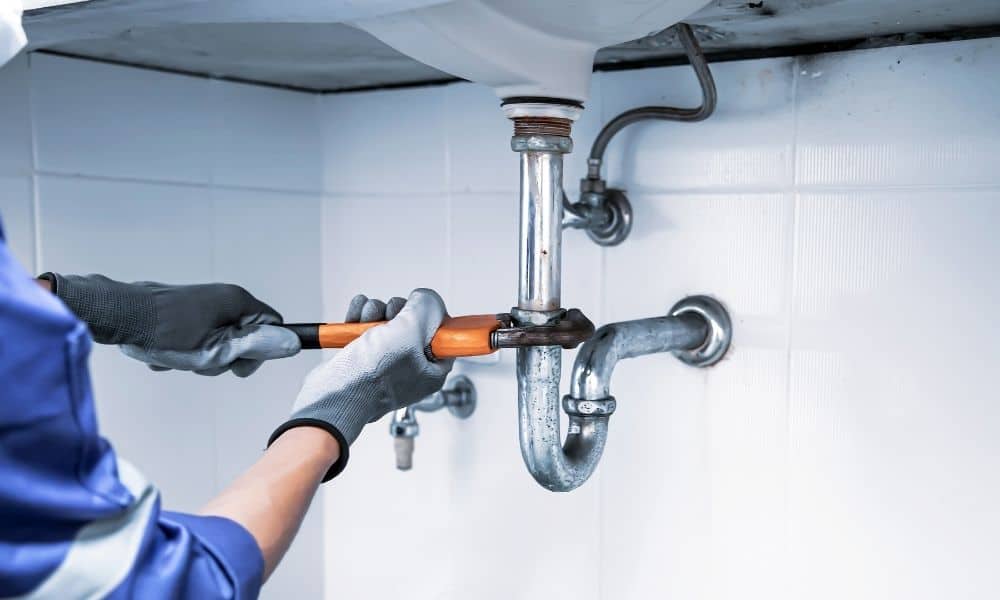
For the new owner of a Brooklyn or Manhattan brownstone, the expectation is that the plumbing—hidden behind original 19th-century brick and plaster—should last as long

In the “Hydraulic Anatomy” of a historic NYC brownstone, the “Pipes” get all the credit (or blame). However, in the field of mechanical forensics, the

In the competitive world of Brooklyn real estate, “Neighborhood” and “Block” are everything. However, beyond the quality of the trees and the proximity to the

For many NYC brownstone owners, “Inconsistent Water Pressure” is treated as a minor annoyance—something to be managed with a low-flow showerhead or a different morning
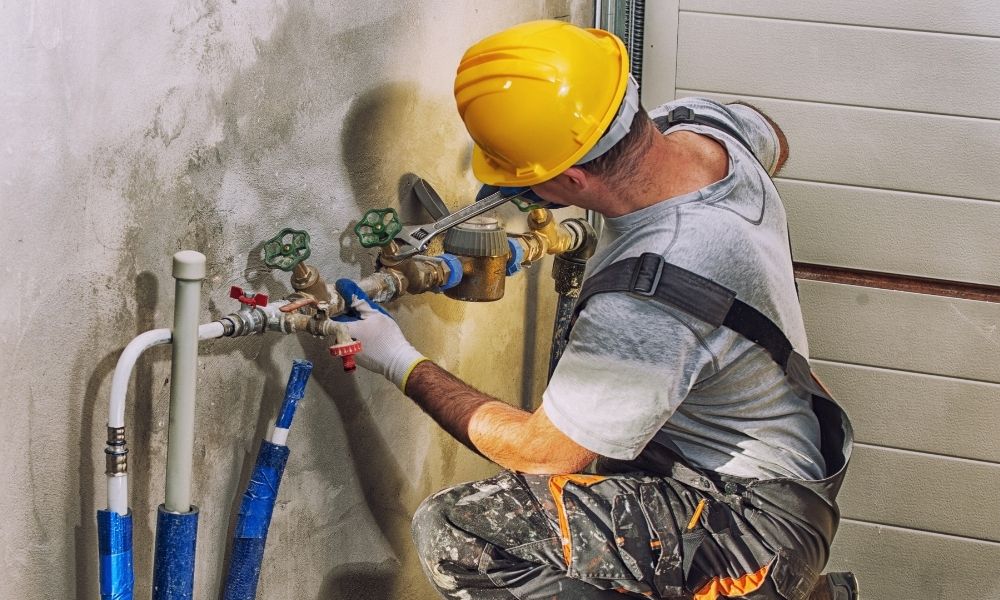
For the prospective buyer of a historic New York City brownstone, the “Parlor Floor” aesthetics—the mahogany wainscoting, crown molding, and original parquetry—often overshadow the “Hydraulic

In the world of historic plumbing, the name “Lead” is usually associated with the service line coming from the street. However, in most prewar buildings

Owning a landmarked row house in districts like Brooklyn Heights, Chelsea, or Harlem is a point of pride, but it also carries a significant “Mechanical

For the historic row house owner, “Modern Luxury” often means adding a master ensuite, a third-floor guest bath, or an island prep-sink. However, in an

Harlem, with its breathtaking Renaissance-Revival and Queen Anne row houses, is a neighborhood of architectural superlatives. However, for a Harlem homeowner, water clarity is often

To most homeowners, the plumbing in their 19th-century townhouse is a unified, somewhat mysterious system. However, from an engineering perspective, a prewar NYC brownstone or

For the owner of a historic NYC row house, the “Facade” is more than just a beautiful exterior; it is a “Protective Skin” that manages

For many brownstone owners, the “Pressure Surprise” is the most frustrating part of a renovation. You spend months designing a dual-head master shower, only to

Renovating a bathroom in a century-old brownstone or row house is a romantic endeavor that quickly turns into a masterclass in “Structural Archaeology” and “Hydraulic

For the resident of a West Village or Lower East Side townhouse, the experience of water and plumbing is fundamentally different from that of a

In the architectural tapestry of New York City, particularly in neighborhoods like Park Slope and Crown Heights, the choice between a Manhattan-brownstone and a Brooklyn-limestone

For many owners of historic homes in NYC and North Jersey, the focus is always on the “Pipes.” However, in the complex world of 19th-century

For many owners of historic Brooklyn brownstones, the words “Whole-House Repiping” trigger a sense of both hope and dread. Hope, because it promises an end

In a modern apartment, a shower is a predictable event. In an older Manhattan row house—whether a Federal-style in the Village or a Renaissance-Revival in

For the owner of a historic Brooklyn or Manhattan brownstone, the most important question isn’t “Is the water brown?” but “What is the water touching?”.

Crown Heights is a neighborhood defined by its grand Eastern Parkway, historic mansions, and blocks of limestone and brownstone row houses. However, as the city

SoHo, known for its cast-iron architecture and expansive lofts, also contains some of Manhattan’s most precious and architecturally sensitive townhouses and brownstones. Opening the walls

To most homeowners, sediment in the water is a mystery. To a mechanical engineer, it is a “Physical History” of a building’s mechanical life. In

Fort Greene, with its leafy parks and iconic Italianate brownstones, is one of Brooklyn’s most sought-after neighborhoods. However, the unique topography and the “Rapid Development”

The Upper West Side of Manhattan is home to some of the most stunning Gilded Age townhouses in the world. However, the internal infrastructure of

Living in a historic Brooklyn brownstone is a dream for many, but the reality of 19th-century infrastructure often presents unique hydraulic challenges, most notably the