
Brownstones have lived through multiple eras of plumbing standards, which means most still contain a blend of materials—galvanized steel, cast iron, copper, brass, PEX, or even remnants of lead. Few brownstones were ever replumbed in a single, comprehensive project. Instead, each generation updated only what they needed: a bathroom here, a kitchen there, a basement repair when something leaked.
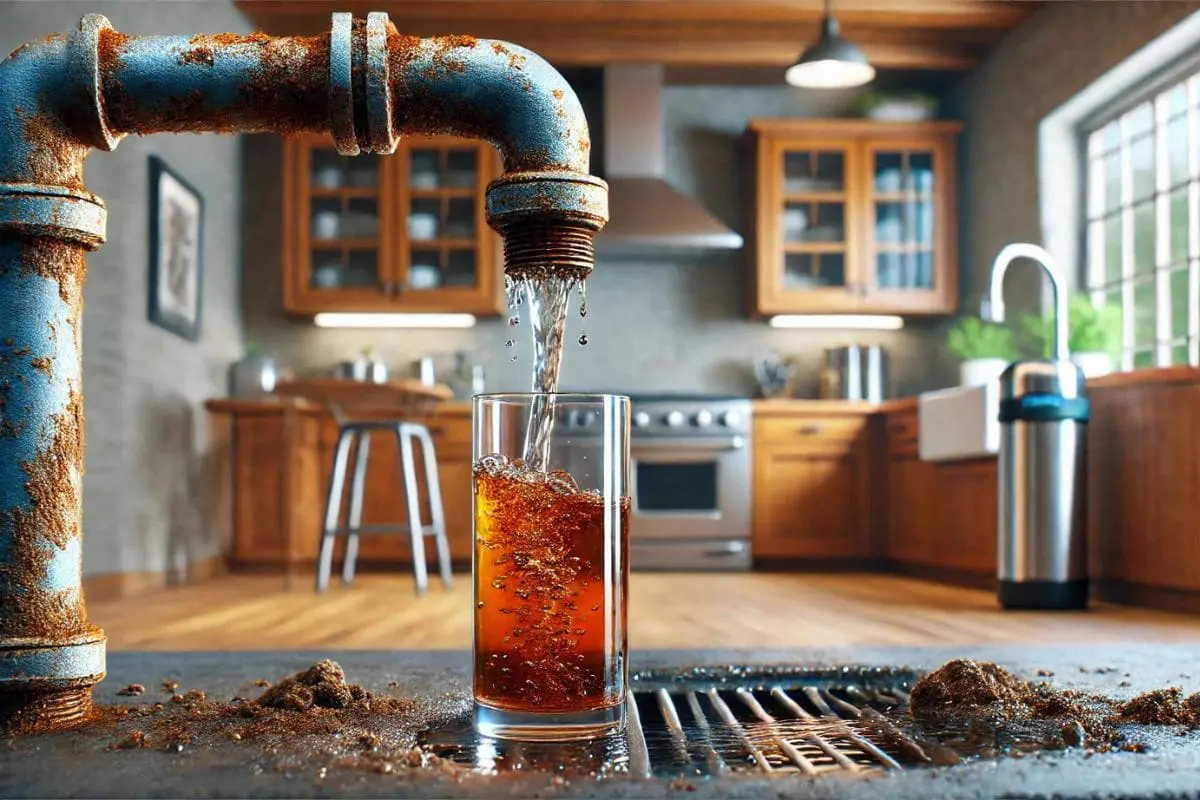
This results in “patchwork plumbing”—a system built over 50–100+ years, where new materials meet old ones. Galvanized pipes, common until the mid-20th century, corrode from the inside out. Over decades, rust buildup narrows the pipe, reducing pressure and allowing sediment to break free. Even when a homeowner upgrades fixtures, these older internal lines can still affect clarity, taste, and flow.
Mixed-material plumbing doesn’t necessarily signal a problem—only that the house still carries its age in its walls. Understanding this context helps owners make informed decisions about replacements and expectations.
In a brownstone, water doesn’t simply enter the house and move evenly through every floor. It travels through a vertical backbone—the riser—and then splits into branch lines that feed bathrooms, kitchens, laundry areas, and garden-level sinks.
Because these pipes were installed during different eras, each component affects:
Water clarity
Older risers may shed small particles as corrosion loosens internally.
Branch lines installed later may flow more cleanly, creating inconsistency between floors or fixtures.
Replacing a faucet won’t fix discoloration if the upstream riser still contains decades of rust.
Flow & pressure
Narrowed galvanized pipes restrict movement, especially on upper floors.
Pressure differences can occur between bathrooms—even on the same floor—if one fixture is fed by newer copper and another by older steel.
Temperature stability
Old plumbing systems weren’t engineered for modern multi-shower households. A 1920s riser feeding multiple floors may cause:
sudden hot–cold shifts,
shower temperature drop when another tap opens,
fluctuating pressure during morning peak use.
If a homeowner upgrades fixtures without addressing the pipes behind them, the experience may not improve. Fixtures are only as good as the system supplying them.
Replacing old pipes in a brownstone is transformative—but not quiet, simple, or superficial. Homeowners should expect:
Wall and ceiling exposure
Old plumbing often sits behind plaster, brick, or original lathe. Accessing it requires opening surfaces, sometimes across multiple floors.
Unexpected discoveries
hidden branch lines
mismatched joints
sections of lead, galvanic corrosion, or illegal past repairs
old traps or drains angled incorrectly
Replacing pipes isn’t just swapping metal—it’s uncovering a century of decisions.
Improved performance
Once the new system is installed—usually copper or PEX—homeowners experience:
noticeably clearer water,
more stable pressure,
faster hot-water delivery,
fewer temperature swings,
drastically reduced sediment.
Upgrading plumbing is one of the most reliable ways to increase comfort in a brownstone. It also future-proofs the home for renovations and higher-demand fixtures.
Historic homes experience predictable water behaviors because of aging infrastructure. The most common issues include:
Often caused by internal pipe corrosion, street main disturbances, or hydrant use. Older risers are especially prone to releasing rust when pressure shifts.
Particles from old galvanized or cast iron lines can enter fixtures, especially after plumbing work or city pressure events. Clearing aerators or flushing lines helps, but long-term fixes require pipe replacement.
Upper floors feel it first. Narrowed risers, older valves, and mixed-era piping create uneven distribution—sometimes even between two adjacent bathrooms.
Long horizontal runs and old-style riser layouts slow the movement of hot water. The farther the fixture is from the heater—and the older the lines—the longer the wait.
Decades-old plumbing wasn’t designed for simultaneous use. Modern mixing valves help, but true stability comes from updated risers sized for today’s demand.